Keyword Research for Beginners Free: The Only Guide You Need in 2026
You don't need expensive tools or an SEO agency to rank on Google. This guide walks you through keyword research for beginners free — step by step, using only tools that cost nothing.
Let me guess — you've started a blog or a website, written a few articles, and then… crickets. No traffic. No rankings. Nothing.
That's exactly what happened to me when I first started. I was writing based on what I thought people wanted to read, not what they were actually searching for. The moment I discovered keyword research, everything changed.
And the best part? You can do keyword research for beginners free — no paid tools required, no credit card needed.
This guide will walk you through everything from scratch. What keywords actually are, why they matter, which free tools to use, and a step-by-step process you can follow today. Whether you're a student, a blogger, a freelancer, or running a small business — this is the only guide you need to get started.
Let's dive in.
What Is Keyword Research and Why Does It Matter?
Before we get into tools and tactics, let's make sure we're on the same page.
Keyword research is the process of figuring out what words and phrases people type into Google when they're looking for something. When you know those exact phrases, you can create content that shows up in those searches — and that's what drives free, organic traffic.
Think of it like fishing. If you cast your line in a lake that has fish (high search volume), you'll catch something. But if you pick a spot where hundreds of others are already fishing (high competition), it's going to be hard. The sweet spot? A lake with good fish and very few other fishermen. That's what finding the right keywords does for your content.
Without keyword research, you're basically writing in the dark.
Internal Link: Check out our guide on SEO Basics for Beginners to understand how keywords fit into the bigger SEO picture.
Understanding the Basics: Key Terms Explained Simply
A lot of beginners get scared off by SEO jargon. Let's break down the most important terms before going further.
Search Volume
This is how many times per month people search for a particular keyword. A keyword with 10,000 monthly searches is popular; one with 50 searches is niche. Neither is necessarily better — it depends on your goal.
Keyword Difficulty (KD)
This tells you how hard it is to rank for a keyword on a scale of 0–100. A score below 30 is generally considered beginner-friendly. High KD means you're competing against big, established websites.
Search Intent
This is the why behind a search. Someone typing "best running shoes" wants to buy. Someone typing "how to tie running shoes" wants to learn. Always match your content to the intent behind the keyword.
There are four main types:
- Informational — "how to do keyword research"
- Navigational — "Ahrefs login"
- Transactional — "buy SEO tool"
- Commercial — "best free keyword tools"
Long-Tail Keywords
These are longer, more specific phrases — like "keyword research for beginners free in 2026." They have lower search volume but also much lower competition, making them a goldmine for new websites.
Internal Link: Learn more about Long Tail Keywords and Why They Matter for your blog strategy.
The Best Free Keyword Research Tools in 2026
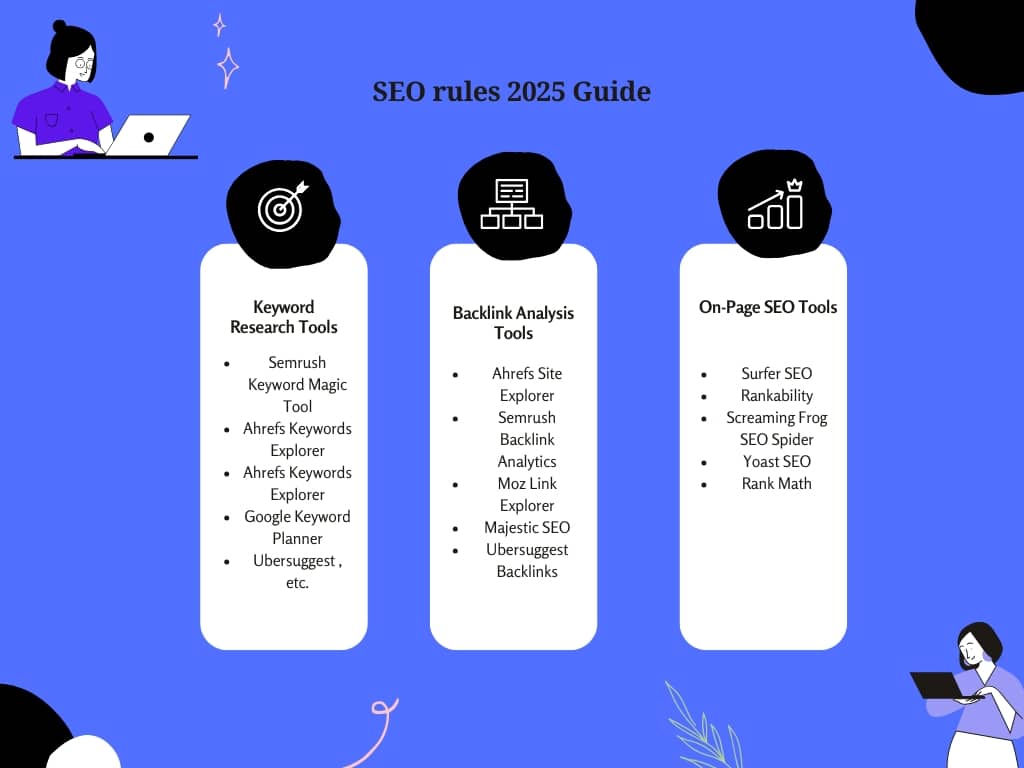
Here's the good news — you don't need to spend anything to get started with keyword research for beginners free. These tools will cover everything you need.
Quick Comparison Table
| Tool | Free? | Keyword Ideas | KD Score | Search Volume |
|---|---|---|---|---|
| Google Keyword Planner | ✅ Yes | ✅ Yes | ⚠️ Basic | ⚠️ Range only |
| Ubersuggest | ✅ (3/day) | ✅ Yes | ✅ Yes | ✅ Yes |
| Google Trends | ✅ Yes | ❌ No | ❌ No | ⚠️ Relative |
| AnswerThePublic | ✅ Limited | ✅ Yes | ❌ No | ❌ No |
| Ahrefs Free Tools | ✅ Own site | ⚠️ Limited | ✅ Yes | ✅ Yes |
| SEMrush Free | ✅ (10/day) | ✅ Yes | ✅ Yes | ✅ Yes |
Step-by-Step: How to Do Keyword Research for Free
Let's walk through a real example together. Say you want to write about "making money online." Here's exactly how to find the right keywords using only free tools.
- Start With a Seed Keyword
A seed keyword is your starting idea — a broad term related to your topic. Example:
making money online - Plug It Into Google Keyword Planner
Go to Google Keyword Planner, click "Discover new keywords," and type in your seed. You might find:
- "how to make money online for beginners" — 22,000/mo
- "make money online free" — 14,000/mo
- "passive income ideas" — 9,000/mo
- Check Keyword Difficulty on Ubersuggest
Take your top 3–5 ideas and check them. Look for: SEO Difficulty under 35, search volume above 500/month, and high CPC (means the topic is valuable).
- Check Search Intent
Google the keyword yourself. Are the top results long articles? Product pages? Videos? Match your content format to what already ranks.
- Validate With Google Trends
Head to Google Trends and check whether interest is rising or falling, and if there are seasonal spikes to plan for.
- Build Your Keyword List
From your research, pick: 1 primary keyword, 3–5 secondary/LSI keywords, and a few long-tail variations for subheadings and FAQs.
Internal Link: Ready to use your keywords? Read our On-Page SEO Guide to learn how to place keywords properly in your content.
Common Mistakes Beginners Make With Keyword Research
Even with all the right tools, most beginners stumble in the same spots. Here's what to watch out for.
Best Keyword Research Strategy for Beginners
Here's a simple strategy you can use right now, even if you're starting from zero. I call it the "Low-Hanging Fruit" Strategy:
This approach builds momentum. Once a few articles rank, Google starts trusting your site more — and newer content ranks faster. Learn how to use Google Search Console for free tracking →
Keyword Clustering: A Simple But Powerful Concept
Once you have a list of keywords, don't just write separate articles for each. Keyword clustering means grouping related keywords together under one topic umbrella.
For example, all of these can be covered in a single comprehensive article:
This signals topical authority to Google and improves your chances of ranking for all of them — not just the primary keyword.
Internal Link: Explore our full guide on Content Writing for SEO to learn how to structure your articles for maximum Google visibility.
FAQs: Keyword Research for Beginners Free
Conclusion
Starting with keyword research for beginners free doesn't have to be complicated or expensive. You now have everything you need — the right terminology, the best free tools, a step-by-step process, and a strategy that actually works.
The single most important thing to remember: don't chase the biggest keywords right away. Start specific, go after low competition terms, and build your authority over time. Every big website you admire today started exactly where you are.
Pick one keyword today. Open Google Keyword Planner. Check it on Ubersuggest. Write the best piece of content on that topic you possibly can. That's how the journey begins.
Want to Master SEO From the Ground Up?
Writora.in has everything you need — from beginner blogging guides to advanced content strategy articles. No fluff, no jargon — just practical guides made for real beginners.