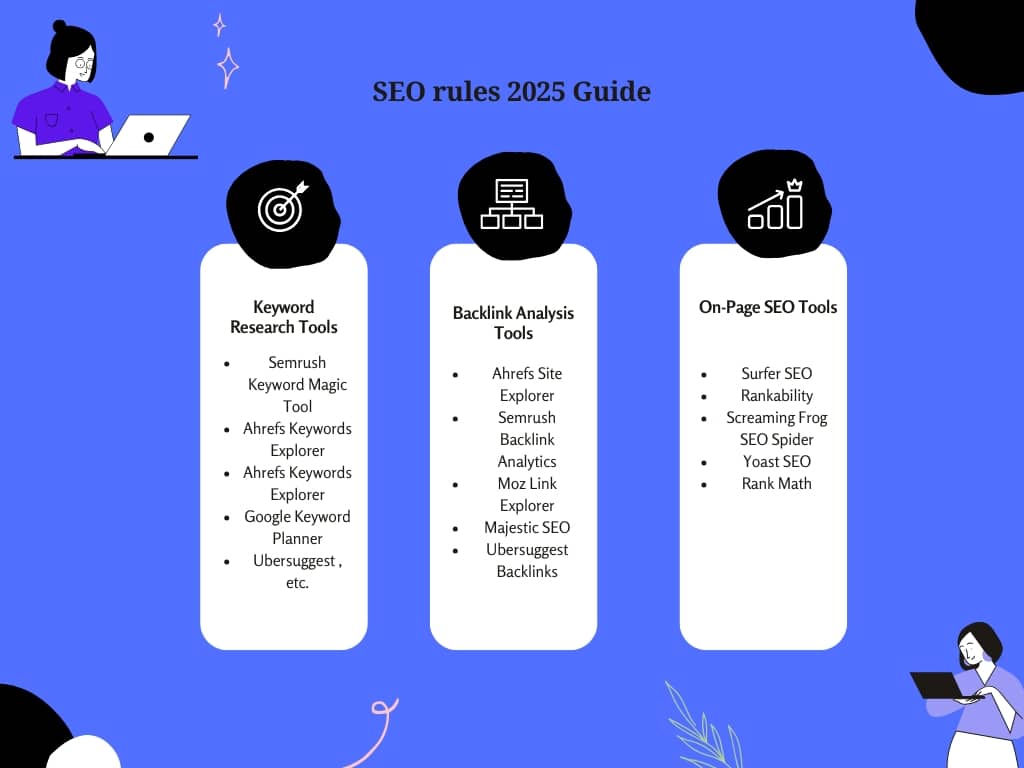
Search engine optimization (SEO) is the task of optimizing websites, digital assets, and content so they rank higher in search results, like Bing, Google, and YouTube, helping Businesses and creators get free and organic traffic for users.
In simple terms:
SEO helps users find content when they search online in search engines.
Example
- “What is seo?”
- “What is seo in digital marketing?“
- “What is seo in YouTube?”
- “What is seo and how it works?”
- How to Start a Blog
Search engines’ job is to show the finest and most helpful answer.
SEO helps your content become that answer.
Why SEO is Important in 2026?
SEO is no longer just about backlinks and keywords.
Modern SEO is focused on intent, user experience, and trust.
Why SEO Still Dominates Digital Growth?
- Over 90% of online results start with a search engine.
- Organic Results get 70% of overall clicks.
- Paid ads will stop when the budget stops, but SEO doesn’t.
- AI Tools are still relying on search-optimized content.
SEO is the foundation of the Digital World.
“SEO (Search Engine Optimization) is a powerful digital marketing strategy that helps websites rank higher on Google organically.”
What Is SEO in Digital Marketing?
SEO in digital marketing is a long-term strategy used to attract leads, organic traffic, and customers by optimizing websites and content for search engines.
Role of SEO in Digital Marketing.
SEO combines users with:
- Local Businesses
- Blog Content
- Youtube Videos
- Products and Services
- Landing Pages
Even the best content on the internet stays invisible without SEO.
How is SEO used in Digital Marketing channels?
SEO works alongside:
- Social Media Marketing
- Content Marketing
- Email Marketing
- Paid ads (Google Ads, Meta Ads)
But SEO is unique because:
- It builds trust
- It reduces dependency on ads
- It compounds over time
What is SEO in Marketing?
Search engine optimization in marketing means using search engines as a core customer acquisition strategy.
Latest marketing funnels look like this:
- Conversion happens
- User searches on Google
- Trust builds
- Finds your content
SEO leverages:
- Lead generation
- Sales
- Brand awareness
- Authority building
That’s why SEO is not optional; it’s mandatory.
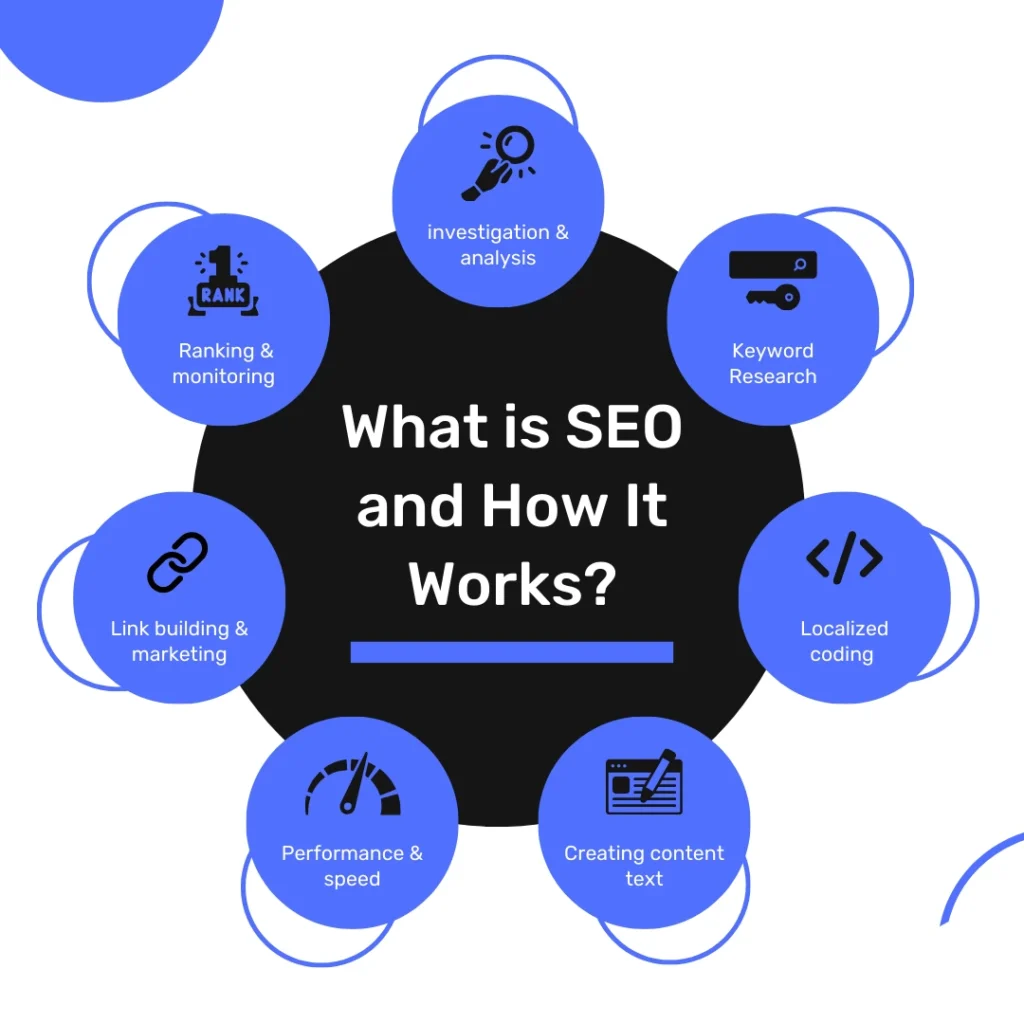
What is SEO and How It Works?
How Search Engines Work
- Crawling
Search engine bots examine the internet to discover new pages. - Indexing
After crawling, discovered pages are stored in Google’s Database. - Ranking
Page ranks based on:
- Search intent match
- Content quality
- Page Experience
- Authority and Trust
How SEO Works (Step-by-Step)
Step 1: Keyword Research
You have to understand what users search for.
Step 2: Content Creation
Create clear, helpful, and intent-based content.
Step 3: On-Page Optimization
Optimizing headings, titles, and structure.
Step 4: Technical Optimization
Improving mobile usability, speed, and indexing.
Step 5: Off-Page Optimization
Make Backlinks and build authority.
If you want to see SEO applied to a visual platform, read how a [pinterest seo strategy]works differently from Google SEO.
Types Of SEO
- On-Page SEO
Optimizing HTML elements and content on a page. - Technical SEO
Improving crawlability and site performance. - Off-Page SEO
Building backlinks outside your website. - Local SEO
Optimizing for local searches like “nearby”. - Youtube SEO
Optimizing videos for Google video search and YouTube.
On-Page SEO Explained
What is On-Page SEO?
On-Page SEO is basically optimizing your content and page elements so that search engines understand what your page is about.
Key On-Page Elements
Title Tag Optimization
- Including the primary keyword in your title.
- Keep it under 60 characters.
Meta Description
- Improve it for high CTR.
- Clearly explain your page value.
Header Structure (H1, H2, H3)
- One H1 per page
- Reasonable order
Keyword Ordering
- Title
- First 100 words
- Headings
- Naturally in content
Internal linking
- Enhances user navigation
- Helps Google understand site structure
Technical SEO Defined
What Is Technical SEO?
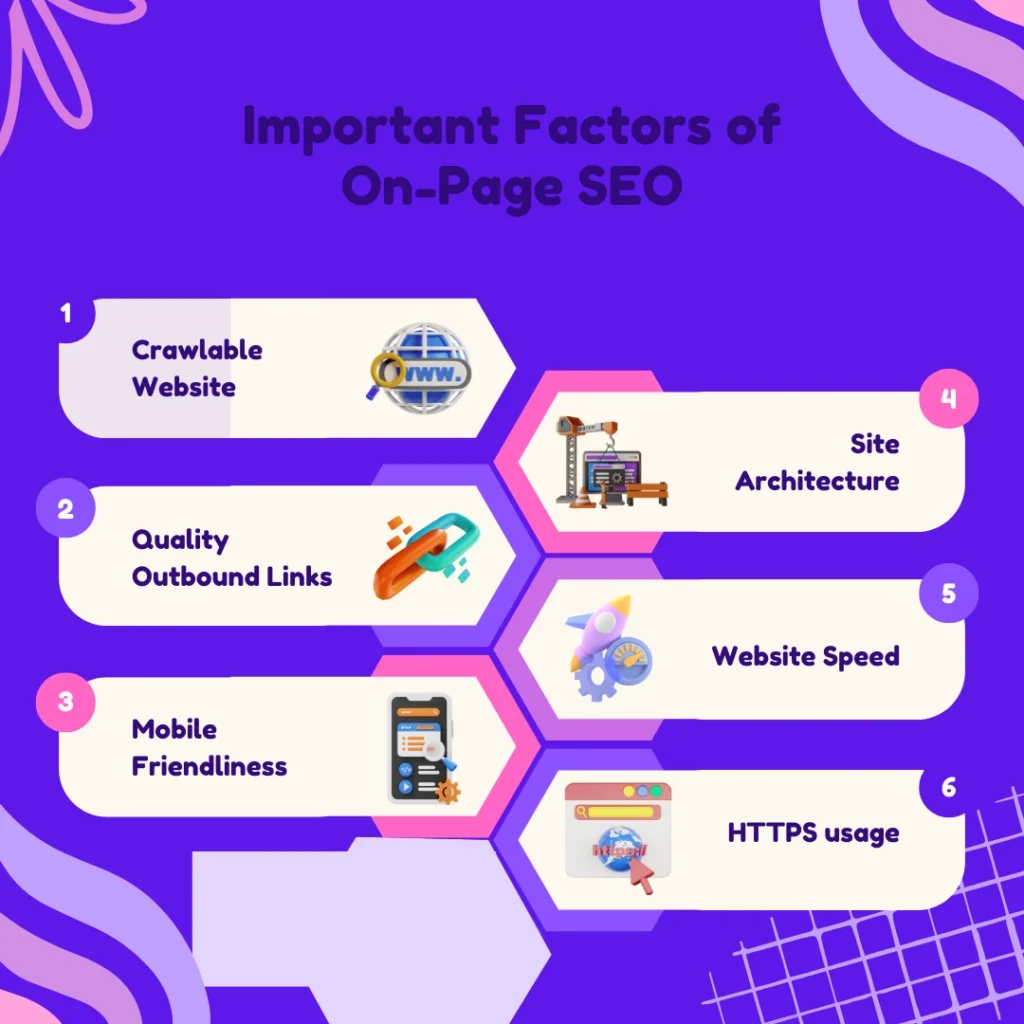
Technical SEO guarantees that your website can be crawled, indexed, and ranked accurately by search engines.
Essential Technical SEO Elements
Speed of Site
- Fast-loading pages are ranked better.
Mobile Friendliness
- Mobile-first indexing is normal.
Core Web Vitals
- LCP
- CLS
- INP
XML SiteMap
- Pages more quickly.
Index Control
- Canonical tags
- Robots, txt
Explanation of Off-Page SEO
Outside of your website, off-page SEO helps you to establish credibility and trust.
Key Off-Page Elements
- Brand Mentions
- Backlinks
- Social Signals
- Reviews
Quality Over Quantity
One excellent backlink trumps a hundred trash ones.
On YouTube, What is SEO?
Definition
The method of improving videos so they rank higher on YouTube SEO is: search on YouTube
- Google Video Results
- Youtube Search
- Suggested Feeds
How SEO on YouTube Works?
Video Title
- Make it clickable
- Include Main Keyword
Video Description
- Add a keyword-rich explanation
- First 2 lines are critical
Tags
- Heps in categorization
Engagement signals
- Likes
- Comments
- Watch Time
- Saves
Example
Keyword: What is SEO?
Optimized Title:
What is SEO? Explained for Beginners in Hindi (2026)
How to do SEO as a Beginner?
If you’re just starting with SEO, don’t overcomplicate it. SEO is basically about helping Google understand your content and showing it to the right people.
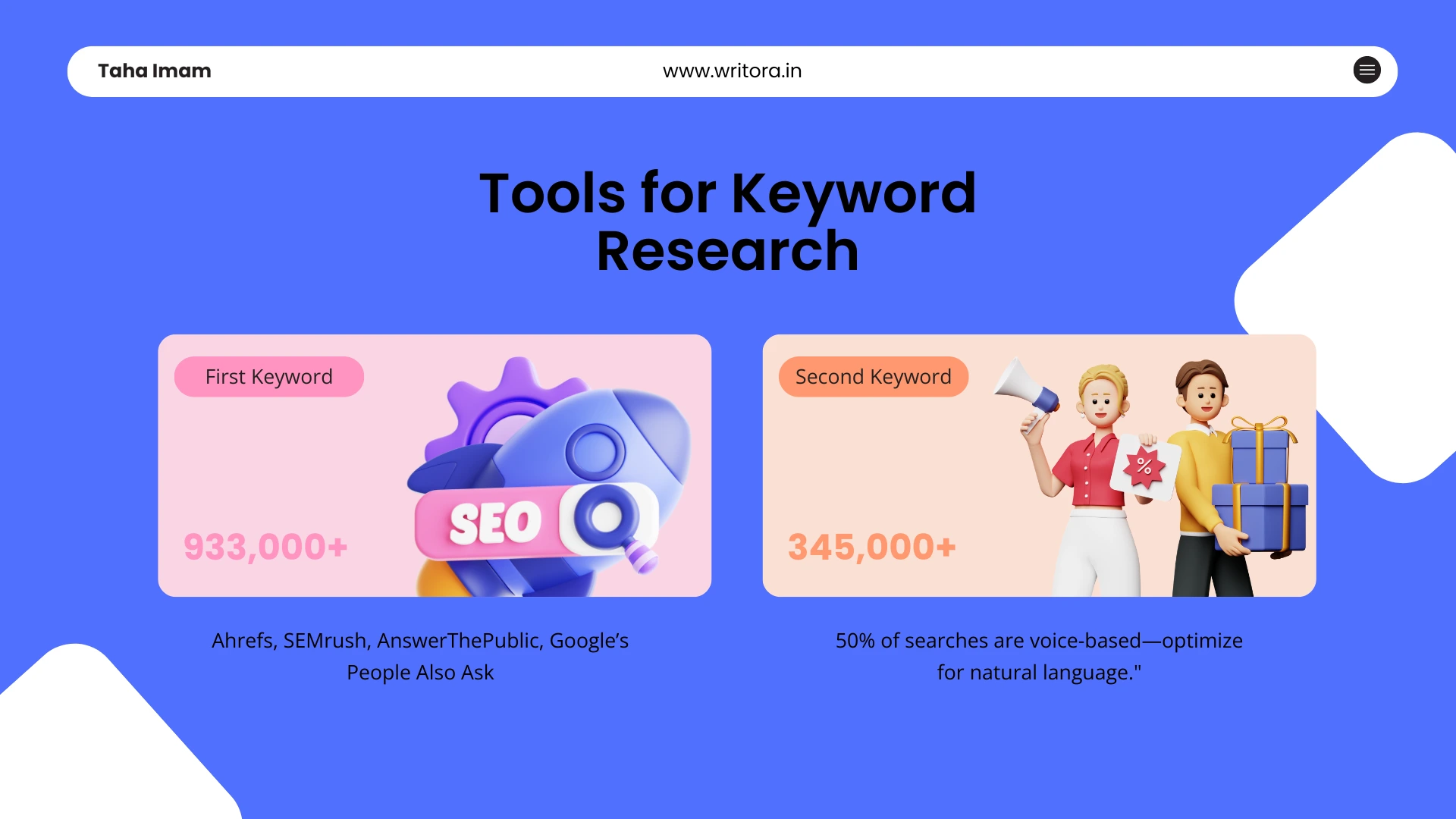
First, start with keyword research. Think about what your audience is searching for. Use free tools like Google Search, Google’s “People also ask,” and autocomplete suggestions to find simple keywords. Don’t chase high-competition keywords in the beginning go for specific, long-tail keywords.
Second, create helpful and clear content. Write for humans, not search engines. Answer real questions in a simple way. Use your main keyword naturally in the title, headings, and a few times in the content but don’t force it.
Third, focus on basic on-page SEO.
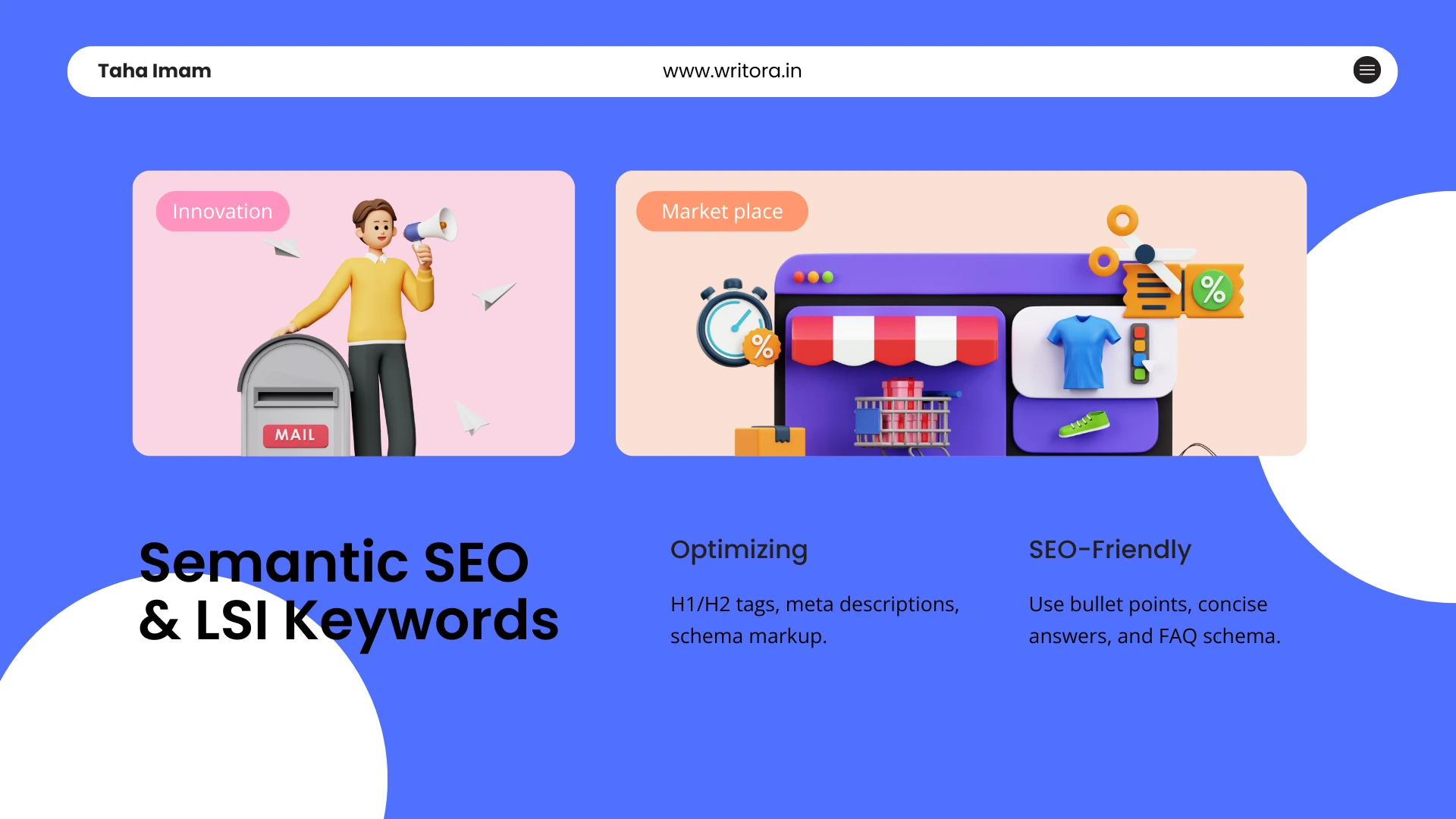
Use proper headings (H1, H2, H3).
Write a clear meta title and description.
Add internal links to other related pages.
Optimize images with alt text.
Finally, work on consistency and patience. SEO takes time. Publish content regularly, improve old articles, and try to get backlinks naturally by sharing your content on social media or communities.
Start simple. Learn step by step. SEO is not about tricks it’s about providing value consistently
SEO vs Paid Marketing
SEO
- High Trust
- Free organic traffic
- Long term results
- Compounds over time
Paid Ads
- Lower Trust
- Pay per click
- Short term
- Stops when budget stops
Use both; construct seo first
Advantages Of SEO
For Businesses
- More qualified leads
- Lower marketing cost
- Better brand authority
For Creators
- Monetization opportunities
- Consistent traffic
- Algorithm Independence
For Startups
- Scalable Growth
- Trust Building
- Competitive advantage
Best Practices for SEO in 2026 (AI Era)
Concentrate on Search Intent
- Commercial
- Informational
- Transactional
Compose for Humans First
Google now gives:
- Expertise
- Trust
- Experience
Maximize for AI Overviews
- Clear answers
- Structured Content
- Bullet points
- FAQs
Gain Topical Authority
Address issues not superficially but rather profoundly.
Typical SEO Blunders to Stay Away From
- Ignoring search intent
- Keyword Stuffing
- Thin content
- Spam backlinks
- No internal linking
Frequently Asked Questions About SEO
What is SEO?
SEO helps your content visible on Google when people search for something related.
SEO still counts in 2026?
Indeed. Google gives useful, experience-based material top priority; SEO is more crucial than ever.
How much time does it take for SEO to produce results?
Typically three to six months, depending on consistency and rivalry.
Can beginners learn SEO?
Yes, certainly. SEO is learnable with practice and skill-based.
Does SEO cost money, or is it free?
Although SEO traffic is free, resources, education, and time could need investment.
Conclusion: The Future of SEO
SEO is not dead; it is alive. Shortcut SEO is gone.
If you:
- Solve real problems
- Understand users
- Build trust
- Structure content clearly.
Growing sustainably, you will rank on Google and show up in AI Overviews.
If you want organic traffic, then contact us.
About the Author
Taha Imam is the creator of Writora, where he documents his learning journey in blogging, SEO,
and AI content creation. His approach focuses on practical experimentation, clarity-driven
content, and experience-based insights that help beginners grow sustainably online.
Through Writora, Taha shares what he actively tests and learns, not generic theories,
But real strategies are shaped by hands-on practice.